
cova del camp del bisbe
one of the MOST EXCEPTIONAL in the municipality
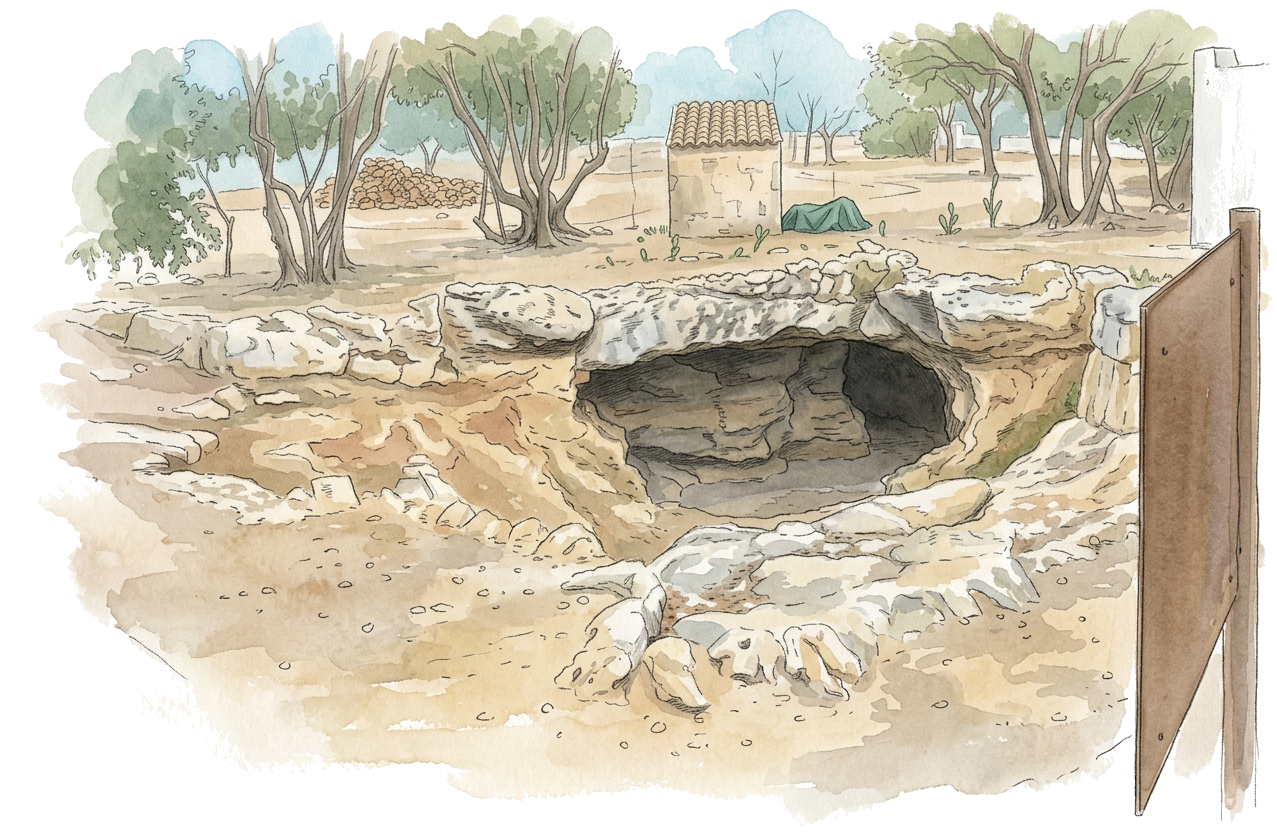



Discover a natural cavity of great archaeological value, right next to the urban area of Sencelles, with remains of funerary and ritual use spanning more than a thousand years of history. On this page you will find information on how to get there, what you will see and its history.

duration of the visit
15 min
What will you see?
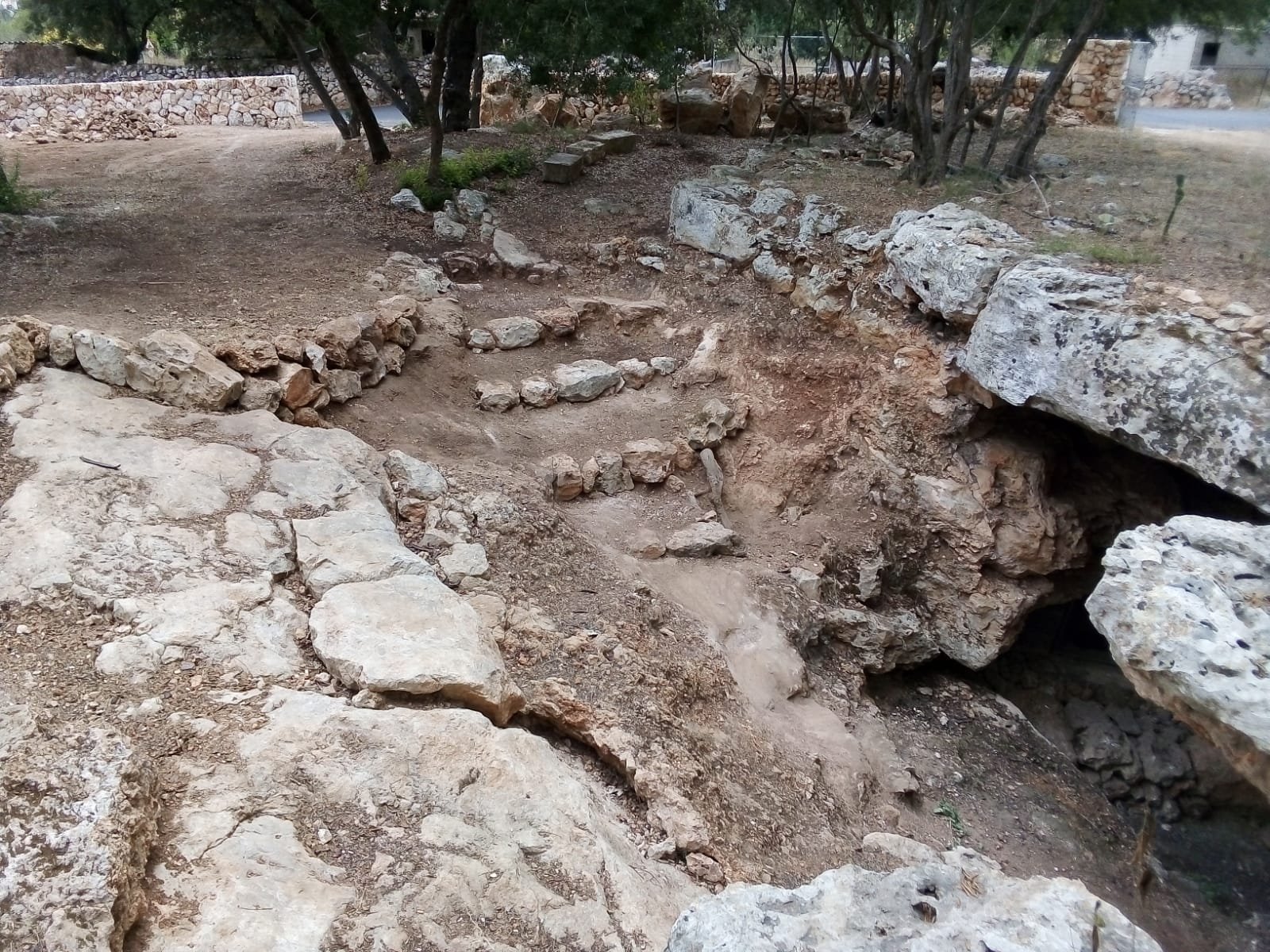
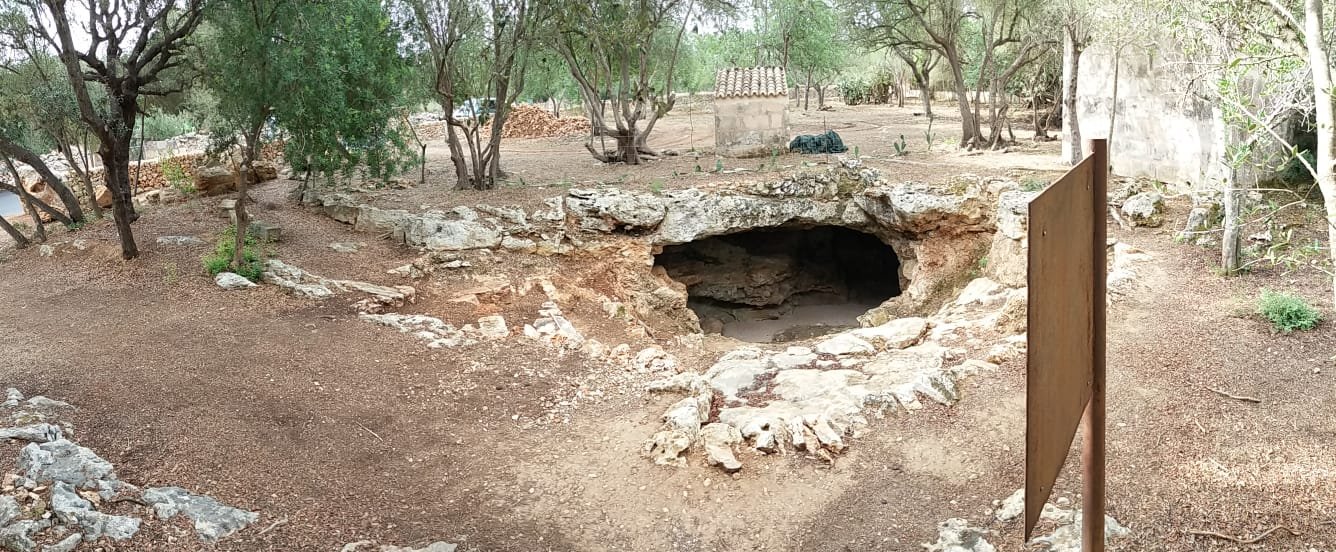
A natural cavity of great archaeological value, located right next to the urban area of Sencelles. Inside, remains of funerary use have been documented: deposits of human bones, ceramic fragments and other materials indicating ritual practices and collective burial.
Highlights
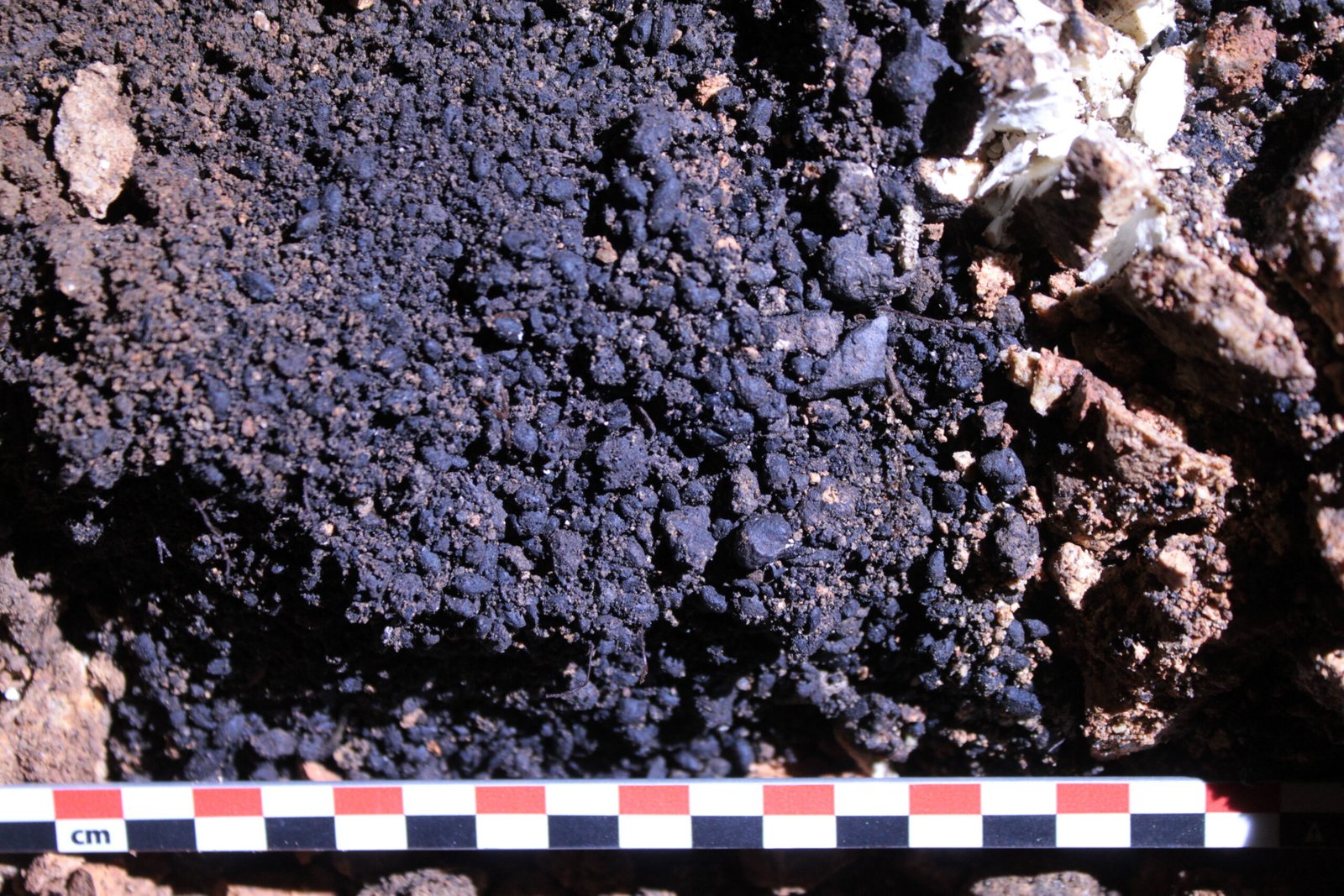
The main chamber, easily accessible; the discovery of more than 250 V-perforated buttons, some made of ivory, probably part of ritual attire; more than 20 kilos of charred cereals; and a cool, pleasant environment.
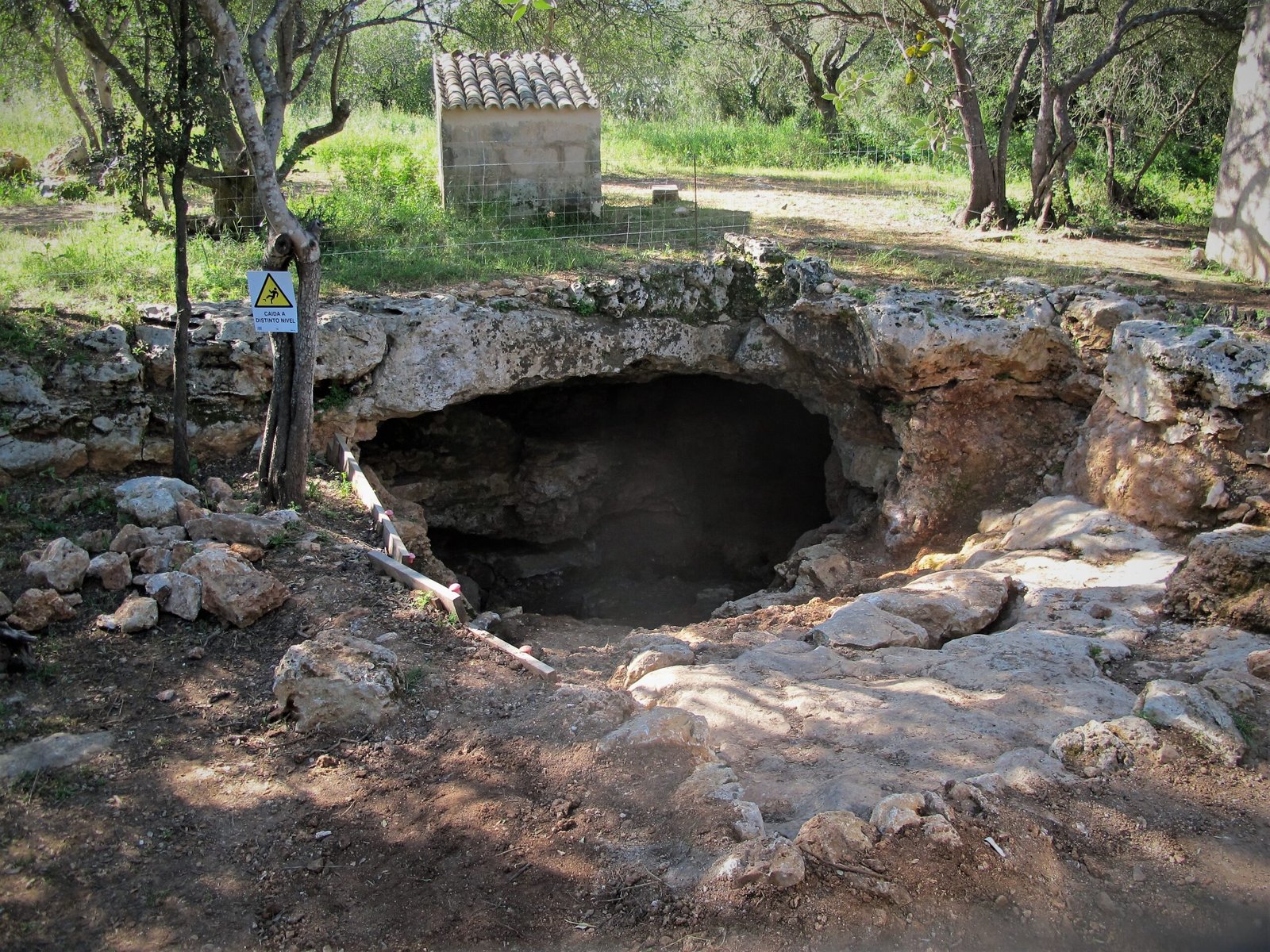
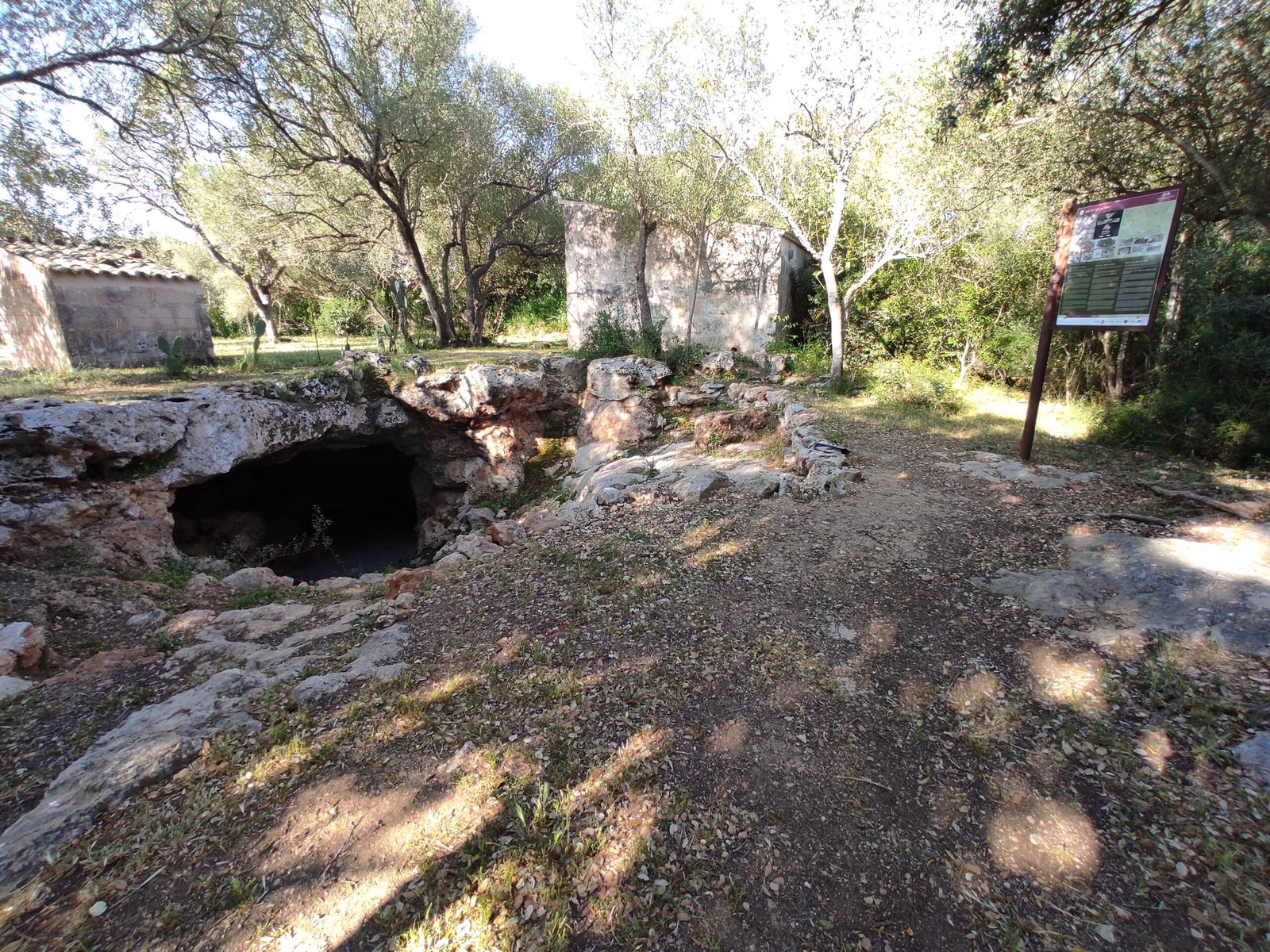
How to get there?
From Sencelles:

From Plaça de la Vila, take carrer des Rafal to the creu de terme and turn left there onto carrer Bons Aires until you reach the cave.

Leaving Plaça de la Vila, take carrer Antoni Maura to the Hotel Can Mavi. Turn right there and take the Ma-3121 road to the rotonda de Costitx. Turn right onto carrer Bons Aires and, about 10 metres on your right, you will find the entrance to the plot of the Cova del Camp del Bisbe. Right in front of the cave there is an information panel about the site.
From Inca
On arriving in Sencelles, take the turning on the left just before the cemetery to the rotonda de Costitx. Continue straight along carrer Bons Aires for about 10 metres.
From Palma:
On arriving in Sencelles via the Ma-3020, continue along carrer Donants de Sang and carrer Ramon Llull to carrer des Rafal. On reaching the creu de terme, turn right onto carrer Bons Aires until you reach the cave.
What else do we know about the Cova del Camp del Bisbe?
Although it was used as an animal shelter until recently, it was excavated between 2013 and 2018 by the Sencelles-Costitx Archaeological Route team.
Of its three chambers, to date the entrance or antechamber, Chamber 1 or the main chamber, and a small lower chamber have been excavated. Chambers 2 and 3 remain walled up and awaiting excavation.
Studies have identified six occupation phases, grouped into two main periods, which you can discover in the cards below.
Economy and society
The plant and animal remains show intensive agriculture and livestock farming, with cereals (bread wheat, barley), legumes (broad bean, pea, lentil) and abundant domestic fauna. The density of seeds points to surplus production and agricultural specialisation.
The African elephant ivory buttons reveal long-distance exchange contacts with the Mediterranean.
Naviform Period
(1300 – 1050 cal BCE)
An extraordinary episode of cremation and ritual deposition marks the beginning of the cave’s occupation, which later became a collective necropolis.
Post-Talaiotic Period
(550 – 123 cal BCE)
The cave is reused as a funerary space, with a large ossuary at the entrance and imported Punic pottery.
550 – 123 CAL BCE
Post-Talaiotic Period
The cave is reused as a funerary space: a large ossuary appears at the entrance, with imported Punic pottery and dates around 380 cal BCE.
Conclusion
The Cova del Camp del Bisbe is an exceptional site that combines cremation and ritual deposition practices of great symbolic value, a complex collective necropolis, and evidence of a well-established agro-pastoral economy with Mediterranean contacts.
A place that reveals ritual, funerary and social practices of great value from communities that were not isolated, but maintained contacts with their neighbours and with populations beyond Mallorca.