
santuari de son corró
one of the MOST FAMOUS in the municipality
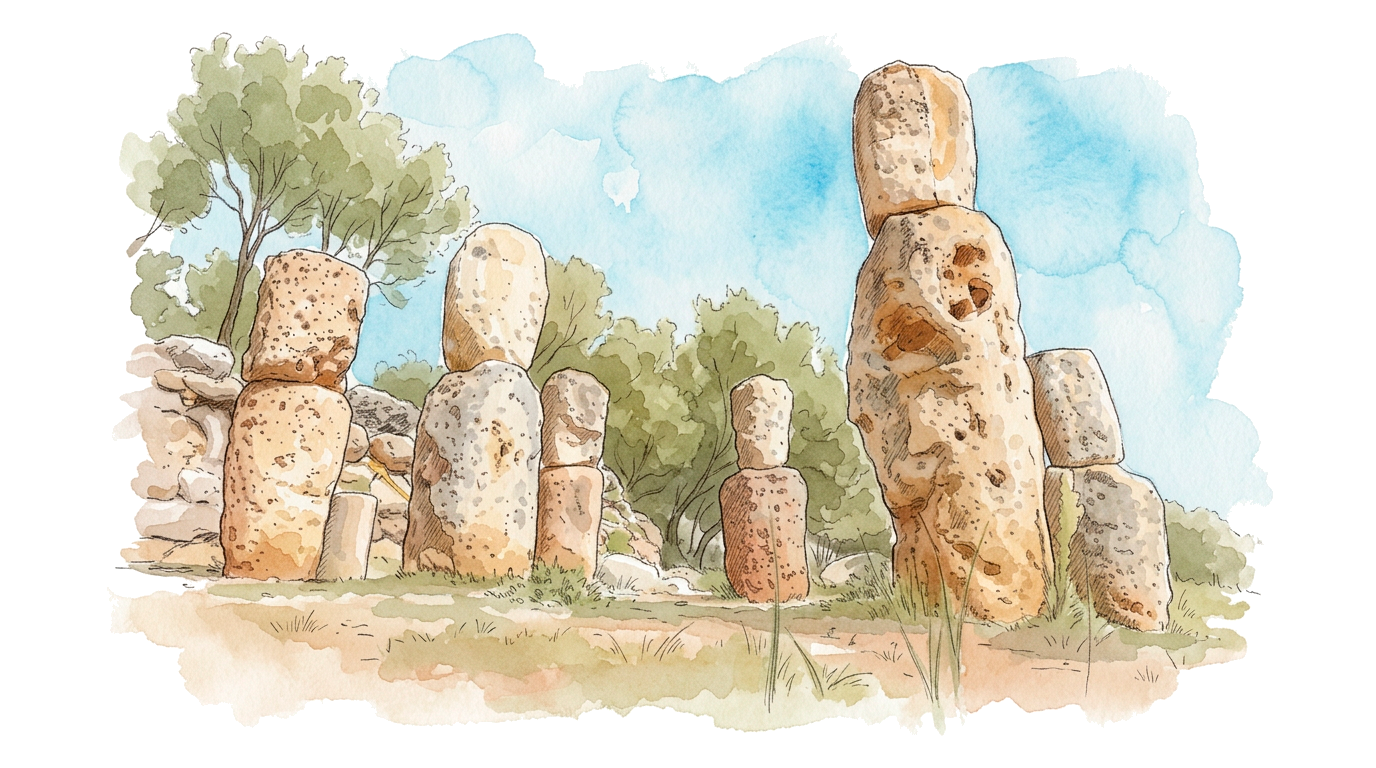



Discover one of the most famous Post-Talaiotic sanctuaries in Mallorca’s prehistory, known worldwide for the discovery of the three bronze bull’s heads known as the «bulls of Costitx». On this page you will find information on how to get there, what you will see and its history.

duration of the visit
15 min
What will you see?
One of the most famous Post-Talaiotic sanctuaries in Mallorca’s prehistory, thanks to the discovery of the three bronze bull’s heads known as the «bulls of Costitx».
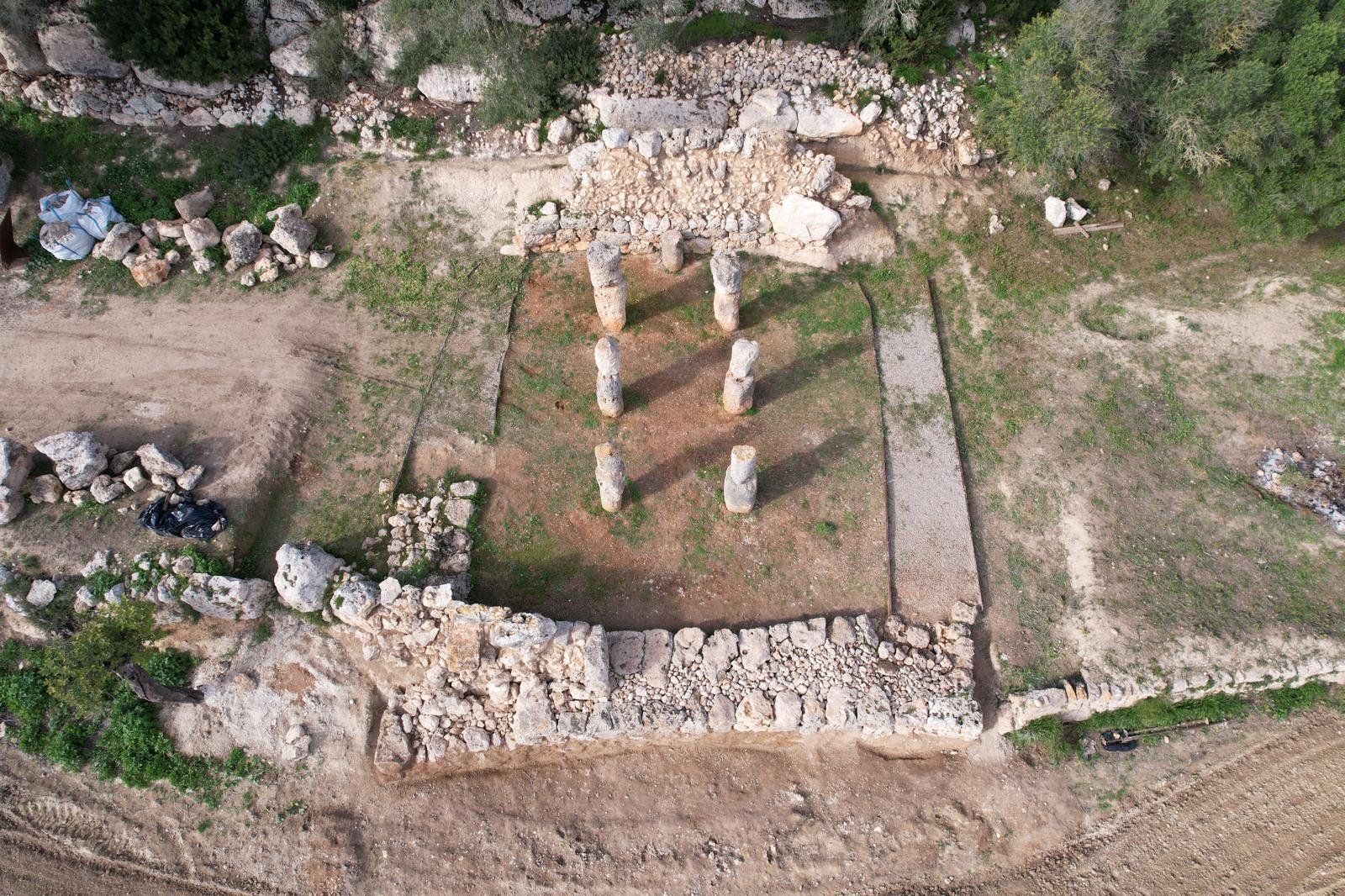
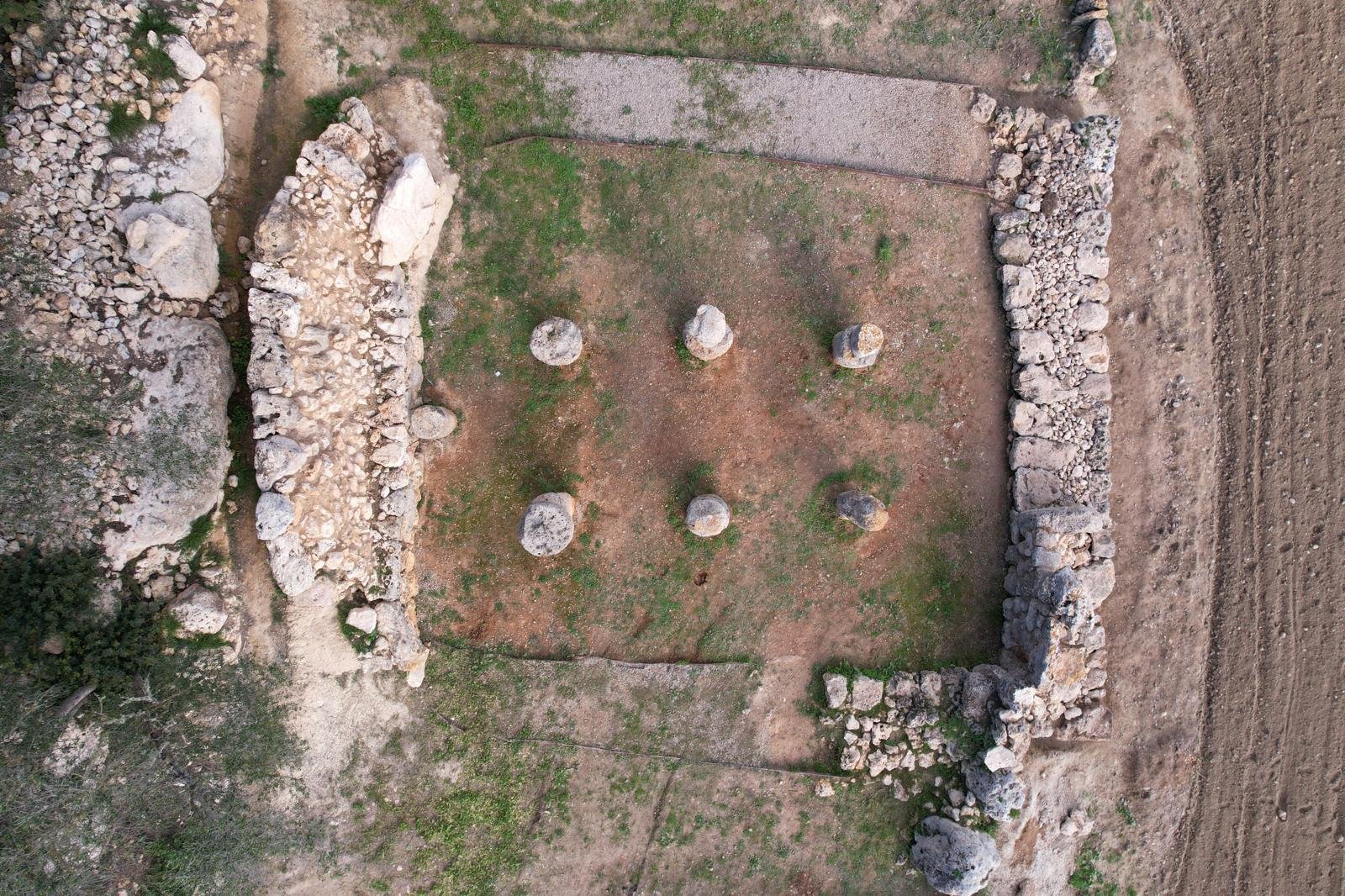
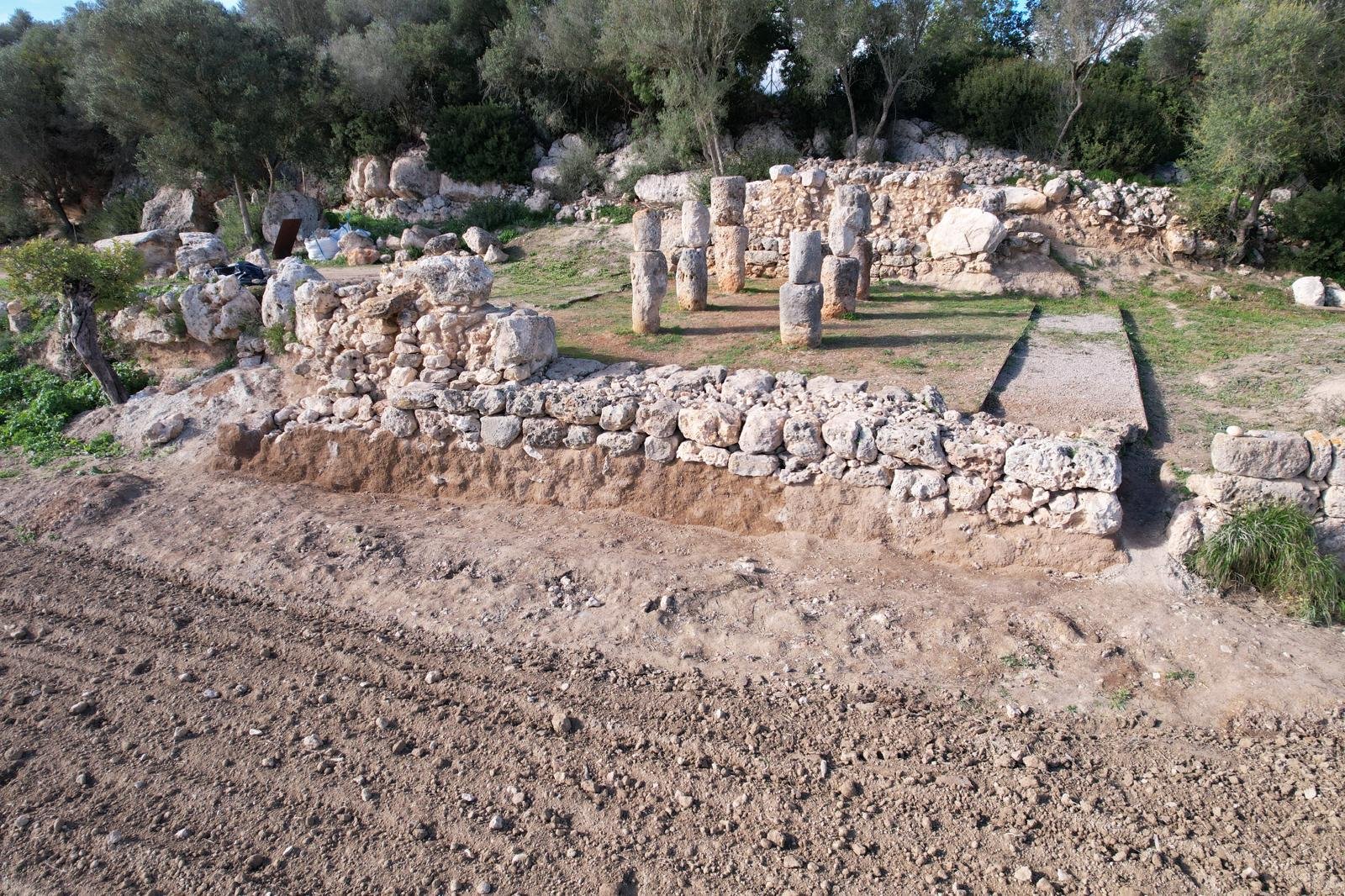
It is a building with an apsidal floor plan built with large cyclopean blocks, with six composite columns inside.
How to get there?
Son Corró is located about 100 metres from the Ma-3021 Sencelles–Costitx road. If you are coming from Sencelles, take the turning you will find after about 2.7 km. If you are leaving Costitx, follow the same road and, after 1.1 km, you will see the signposted entrance at the Son Corró car park.
Interventions at Son Corró
In 1895, during farming work, Joan Vallespir accidentally discovered the famous bronze bull’s heads, now on display at the National Archaeological Museum in Madrid. The find caused a great stir and prompted the intervention of the Societat Arqueològica Lul·liana, which sent Bartomeu Ferrà to draw up the sanctuary’s plans and document the bull’s heads, along with other ceramic and metal objects also found there.
Ferrà’s Plan
In 1995, to mark the centenary of the discovery, Costitx town council acquired the sanctuary’s land and a re-excavation campaign was carried out, directed by Guillem Rosselló Bordoy. This intervention included a highly controversial restoration: the stone blocks used to assemble the columns still visible today may have had a different arrangement and even a different function from that of column drums. At the very least, the plan drawn up by Ferrà at the time, together with his description of it, raise doubts on this point.
Even so, the archaeological materials recovered by Rosselló Bordoy, which notably include two Roman-period bronze figurines associated with the household gods (lares), allow us to suggest that the sanctuary had a long life. Certain types of indigenous pottery suggest that the sanctuary would have been built around the 5th century BCE and would still have been in use during the early stages of Romanisation.
In 2010, conservation work was carried out that included clearing vegetation, restoring the line of the missing walls using metal sheets, levelling the ground with gravel, and renewing the information panels.
Since 2015, Son Corró has been part of the Sencelles–Costitx Archaeological Route, promoted by the town councils of both municipalities with the aim of encouraging research, outreach and the enhancement of local archaeological heritage.
In 2022, the Route team launched the Son Corró Sanctuary Restoration and Conservation Project, with the support and funding of the Consell Insular and Costitx town council. During the 4 campaigns carried out to date, these have been the main actions: cleaning and maintenance; excavation and consolidation of the apse’s outer wall and remains of walls from other structures associated with the sanctuary; restoration and consolidation of the façade (in progress); and improved drainage to prevent erosion and water build-up inside the sanctuary.
Restoration and conservation work is still ongoing; the next campaign is planned for autumn 2026, with the aim of completing the consolidation of the building’s façade.